
"Monsoon Malabar"
200 article(s) found

Indian coffee wind-stained Malaba coffee beans
Indian Coffee style stained Malaba Coffee beans Indian Coffee-enigmatic Coffee in a mysterious country our mysterious impression of India is not only in its coffee, but also in tea, temples, yoga, sitaqin, or even the more negative abnormal big cities. The reason why there are so many kinds of Indian beans on the market today must be attributed to the indomitable Indian coffee experts and imports.

What are the characteristics of Indian style-stained coffee? Is the Indian Malaba coffee good?
Professional coffee knowledge exchange more coffee bean information Please follow the coffee workshop (Wechat official account cafe_style) in the early years, Indian coffee was transported by sea from the coast of Malaba to Europe, which often took about six months to arrive in Europe. In the long process of shipping, under the influence of sea breeze and monsoon, these coffee beans gradually develop their flavor and color.

Mysterious country's mystery coffee boutique Indian coffee wind-stained Malaba coffee beans
Indian coffee style stained Malaba coffee beans our mysterious impression of India is not only its coffee, but also tea, temples, yoga, sitaqin, or even the more negative abnormal big cities, and so on. The reason why there are so many kinds of Indian beans on the market today must be attributed to the indomitable Indian coffee expert and importer Dr. Joseph Johns. Past 10

Does India produce coffee? what is the origin of Indian coffee beans? what are the flavor and characteristics?
Professional coffee knowledge exchange more coffee bean information Please pay attention to the coffee workshop (Wechat official account cafe_style) in fact, India is rich in coffee beans, about 250000 people in the country grow this economic product, coffee is suitable for growing in a warm environment, between the Tropic of Cancer is called the coffee belt (coffee zone), but for fear of high temperature destroying the characteristics of beans, it is mostly planted in

Description of characteristics and Flavor of Malaba Coffee description of Regional characteristics of planting areas of Malaba Coffee
Professional coffee knowledge exchange more coffee bean information please follow the coffee workshop (Wechat official account cafe_style) about the wind-stained Malabar, wind-stained Malaba coffee is a coffee from the Malabar region of India, with a strong wheat tea flavor, bean appearance and flavor unique coffee. Coffee has been the unique flavor of Indian-style Malaba coffee since the 17th century.

Indian monsoon coffee | the history of wind-stained Malaba coffee? How to brew wind-stained coffee? Indian.
Professional coffee knowledge exchange more coffee bean information please follow the coffee workshop (Wechat official account cafe_style) Indian monsoon coffee | the history of wind-stained coffee? How to brew wind-stained coffee? Is the Indian wind-stained coffee good? When it comes to Asian coffee, Taiwanese consumers should be most familiar with the low-acid, mellow Sumatran coffee, or the continuous increase in production in recent years.
Global coffee producing area-India
There are several reasons why Indian coffee is popular with coffee lovers, but the most important is a process used on coffee beans, often referred to as the "monsooning" process.

What is the Indian coffee that blows through the monsoon? How do you drink Indian coffee?
Professional coffee knowledge exchange more coffee bean information please follow the coffee workshop (Wechat official account cafe_style) INDIA Robasta Coffee after the monsoon blowing Master Origin India is a blend of Indian Arabica beans and coffee flavor showing a spicy, woody flavor and strong taste through the weathered Robasta coffee processing. Wind-soaked method is imprinted

Global coffee production India coffee production
Indian coffee is loved by coffee lovers for several reasons, but the most important is due to a process applied to the coffee beans, often referred to as monsoon. Coffee growing in India: Coffee is grown in large quantities in the Ghats region of western India, where the southwest monsoon is critical for coffee growth. Except in Karnataka

Indian boutique coffee introduces Indian coffee flavor Indian coffee characteristics Indian coffee taste India
There are several reasons why Indian coffee is popular with coffee lovers, but the most important is a process used on coffee beans, often called the monsooning process. Coffee production in India: coffee is grown in the Gozhi Mountains in western India, where the southwest monsoon is crucial to coffee growth. Except in Kana.

Global Coffee Origin India Coffee Market
There are several reasons why Indian coffee is popular with coffee lovers, but the most important is a process used on coffee beans, often called the monsooning process. Coffee production in India: coffee is grown in the Gozhi Mountains in western India, where the southwest monsoon is crucial to coffee growth. Except in Karnataka (Ka

The characteristics and Market of Indian Coffee
There are several reasons why Indian coffee is popular with coffee lovers, but the most important is a process used on coffee beans, often called the monsooning process. Coffee production in India: coffee is grown in the Gozhi Mountains in western India, where the southwest monsoon is crucial to coffee growth. Except in Karnataka (Ka

Coffee producers in Asia introduce coffee from India
There are several reasons why Indian coffee is popular with coffee lovers, but the most important is a process used on coffee beans, often called the monsooning process. Coffee production in India: coffee is grown in the Gozhi Mountains in western India, where the southwest monsoon is crucial to coffee growth. Except in Karnataka (Ka
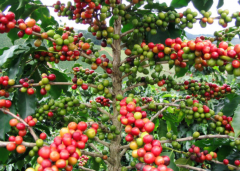
Indian monsoon coffee Indonesian coffee
There are several reasons why Indian coffee is popular with coffee hobbies, but the most important is a process used in coffee beans, often called the monsooning. In the past, passengers or goods sailed to and from India, which took about several months to reach Europe. In transit, due to high air humidity, the taste of raw coffee beans
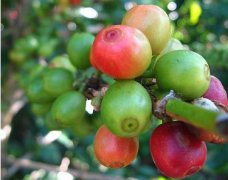
Introduction of Indian coffee the characteristics of Indian coffee the quality of Indian coffee the taste of Indian coffee
There are several reasons why Indian coffee is popular with coffee lovers, but the most important is a process used on coffee beans, often called the monsooning process. Coffee production in India: coffee is grown in the Gozhi Mountains in western India, where the southwest monsoon is crucial to coffee growth. Except in Karnataka (Ka

Twelve famous high-quality coffee producing areas in India
There are several reasons why Indian coffee is popular with coffee lovers, but the most important is a process used on coffee beans, often called the monsooning process. Coffee production in India: coffee is grown in the Gozhi Mountains in western India, where the southwest monsoon is crucial to coffee growth. Except in Karnataka (Ka
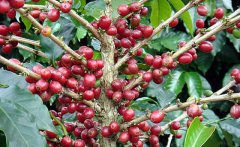
Indian coffee flavor Indian monsoon coffee beans
Slippery and delicious coffee with uniform granules. There are several reasons why Indian coffee is so popular with coffee hobbies, but the most important is a process used in coffee beans, often called the monsooning process. In the past, passengers or goods sailed to and from India, which took about several months to reach Europe. In transit due to
Indian "monsoon"
There are several reasons why Indian coffee is popular with coffee lovers, but the most important is a process used on coffee beans, often referred to as the "monsooning" process.

Indian coffee bean season wind soaking method
The monsoon coffee we are talking about today comes from India, a magical country, and even the coffee is a bit legendary. Legend has it that a pilgrim named Baba Budan smuggled seven coffee beans through Yemen on his way back from Mecca. In order to avoid Arab inspection, he wrapped seven coffee seeds in cloth, hid them in the cracks in his ribs, and brought them to his own India.

Indian coffee is slippery and delicious, with even granules.
Consumers are getting used to this, so when steamships shorten the journey time, coffee producers find that consumers still want beans of the same color and taste that are affected by long trips. In order to recreate the flavor of the original coffee, the monsoon process was used. Monsoons occur in southwestern India in May and June every year, so